Technology
Cybersecurity Threats 2025
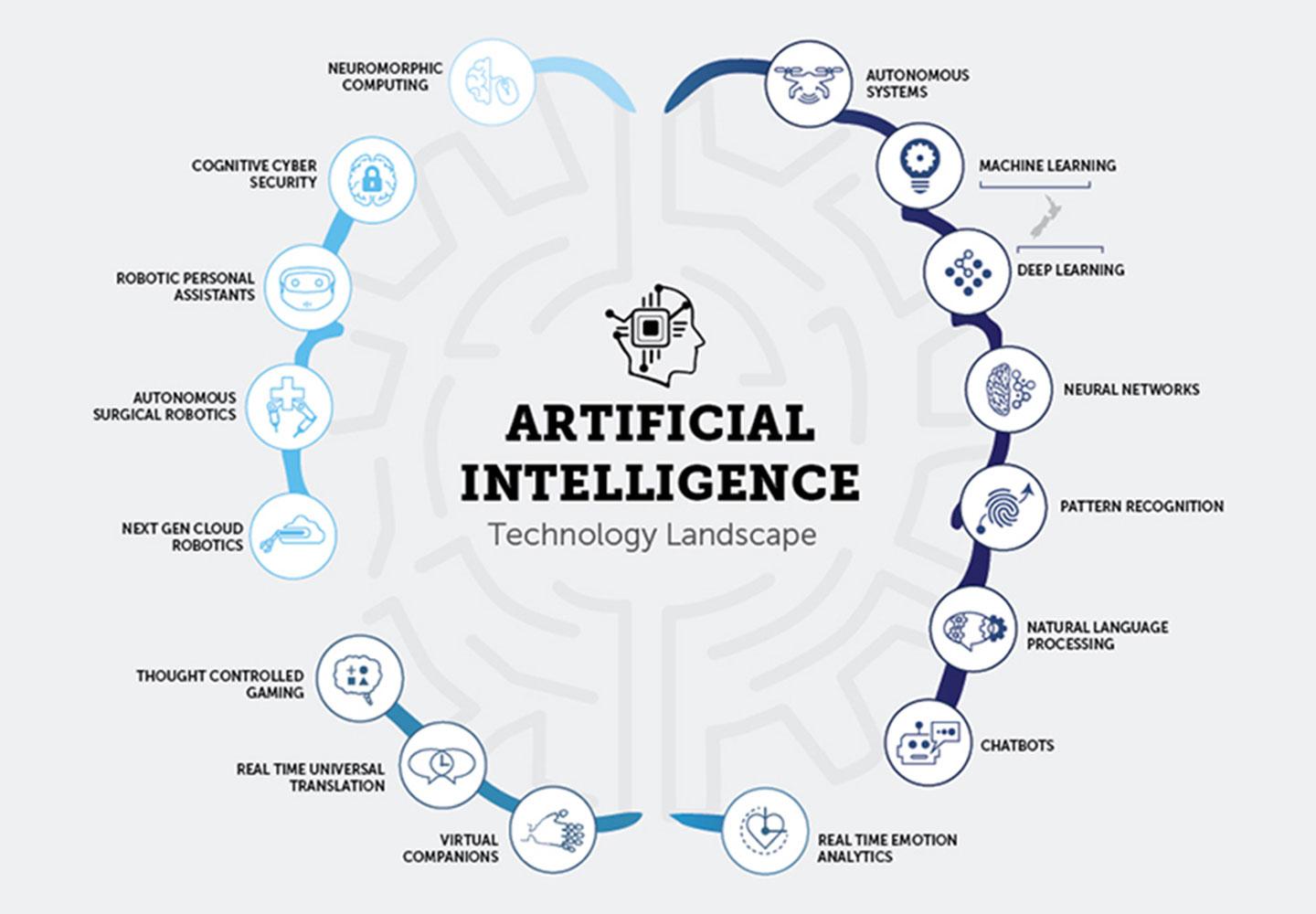
As we approach 2025, cybersecurity experts are raising alarms over an evolving landscape of digital threats that could impact individuals, corporations, and governments alike. The increasing integration of artificial intelligence (AI) and the expansion of the Internet of Things (IoT) are creating new vulnerabilities that cybercriminals are eager to exploit. Experts warn that traditional security measures may no longer be sufficient to combat sophisticated attacks such as AI-driven phishing schemes, deepfake scams, and large-scale ransomware campaigns.
One of the most significant challenges highlighted for 2025 is the rise of autonomous hacking tools powered by AI, capable of adapting in real-time to bypass security defenses. These tools can launch highly targeted attacks with minimal human intervention, making detection and mitigation more difficult. Additionally, the proliferation of smart devices in homes and workplaces adds layers of complexity to cybersecurity, as many IoT gadgets lack robust security protocols, providing easy entry points for hackers. Cybersecurity firms are thus emphasizing the urgent need for enhanced encryption, continuous network monitoring, and AI-based defense mechanisms to stay ahead of these threats.
Governments and private sectors are responding by investing heavily in advanced cybersecurity research and international collaboration to share threat intelligence. Public awareness campaigns are also intensifying, aiming to educate users about emerging risks and safe online practices. As cyber threats continue to evolve rapidly, the consensus among experts is clear: proactive measures and adaptive technologies will be crucial to safeguarding digital ecosystems in 2025 and beyond.